Getting Further Faster Docuseries Promotes Health Equity
Documenting the Getting Further Faster Health Equity Initiative
Executive Summary
This case study examines the production and impact of a 14-episode docuseries developed through a collaboration between the Center for Disease Control (CDC), the National Association of County and City Health Officials (NACCHO), and the Association of State and Territorial Health Officials (ASTHO). The series highlights the "Improving Social Determinants of Health – Getting Further Faster" initiative. By embedding filmmakers within 14 community coalitions across 12 states, the project successfully captured authentic, community-centric stories that ultimately drove better fundraising and measurable impact metrics for local health programs.
The Background and Objective
The "Improving Social Determinants of Health – Getting Further Faster" initiative was designed to advance health equity and improve chronic disease conditions nationwide. To amplify this effort, the CDC, NACCHO, and ASTHO partnered to create an educational docuseries.
The primary objective was to inspire and educate community coalitions and partnerships across the country. Our production team was tasked with identifying common threads of success within the awardees' work to serve as valuable learning opportunities for other organizations, regardless of their sector or geographical location.
The Challenge
Documenting public health initiatives at scale presents significant logistical and narrative hurdles.
Geographic Spread: The 14 selected coalitions were scattered across 12 different states, requiring extensive travel and coordination.
Diverse Subject Matter: The coalitions tackled a wide variety of complex social determinants of health (SDOH), including built environments, clinical-community linkages, food and nutrition security, social connectedness, and tobacco-free policies.
Authenticity: The production needed to avoid overly polished corporate messaging to ensure the stories resonated authentically with other community leaders and potential donors.
The Approach and Execution
To capture the true essence of these community health programs, our production team utilized an immersive, organic documentary style.
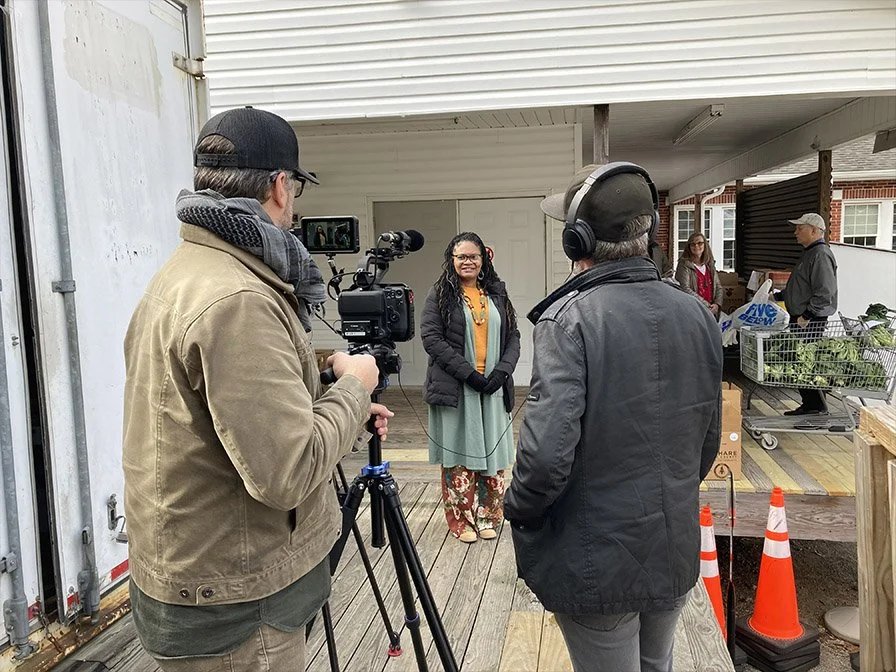
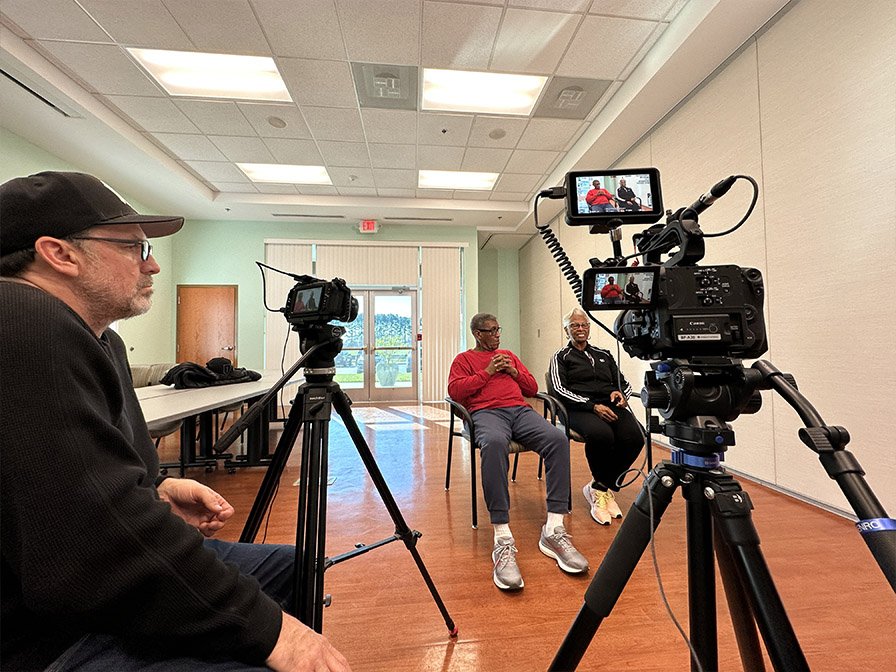
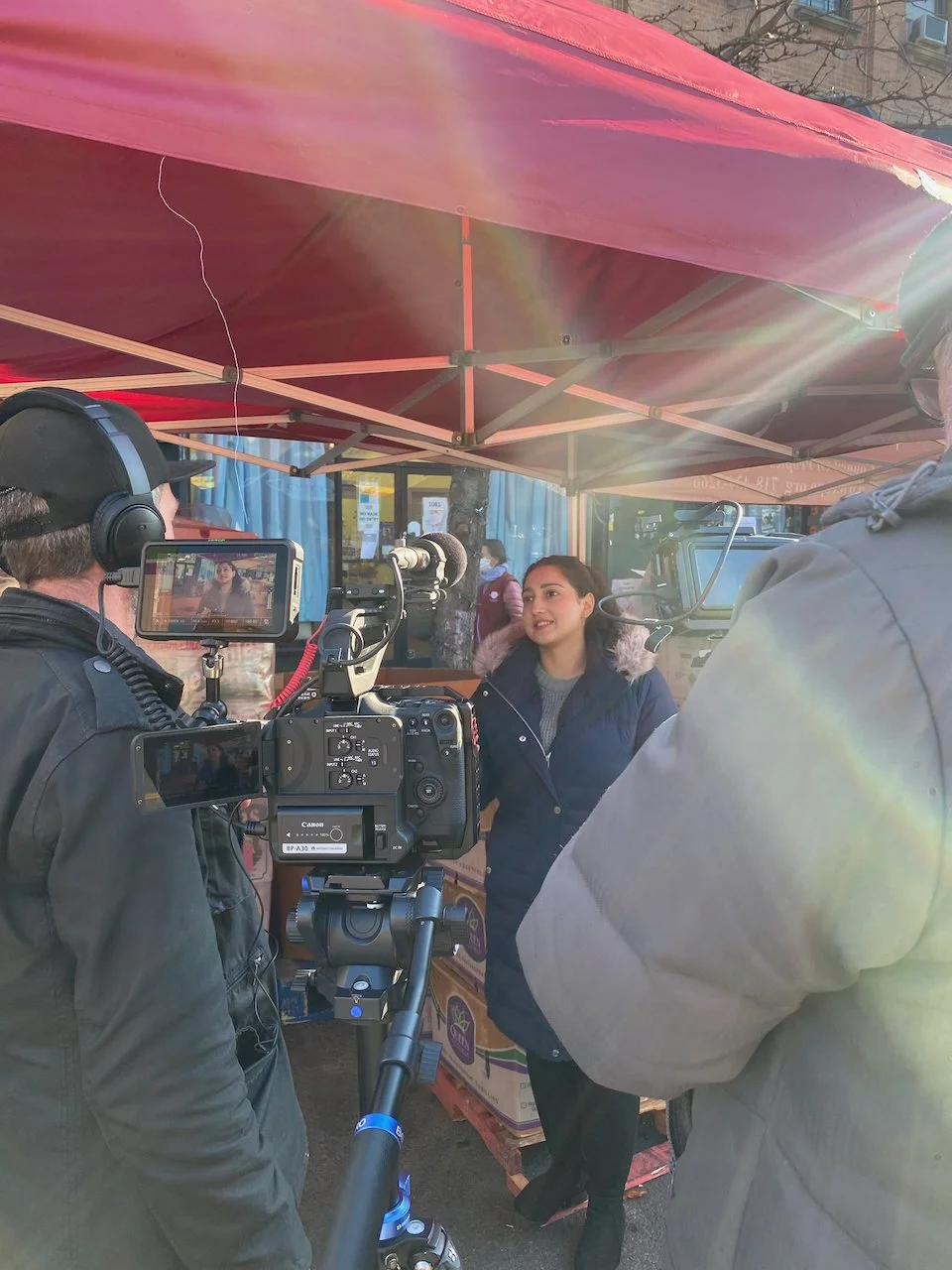
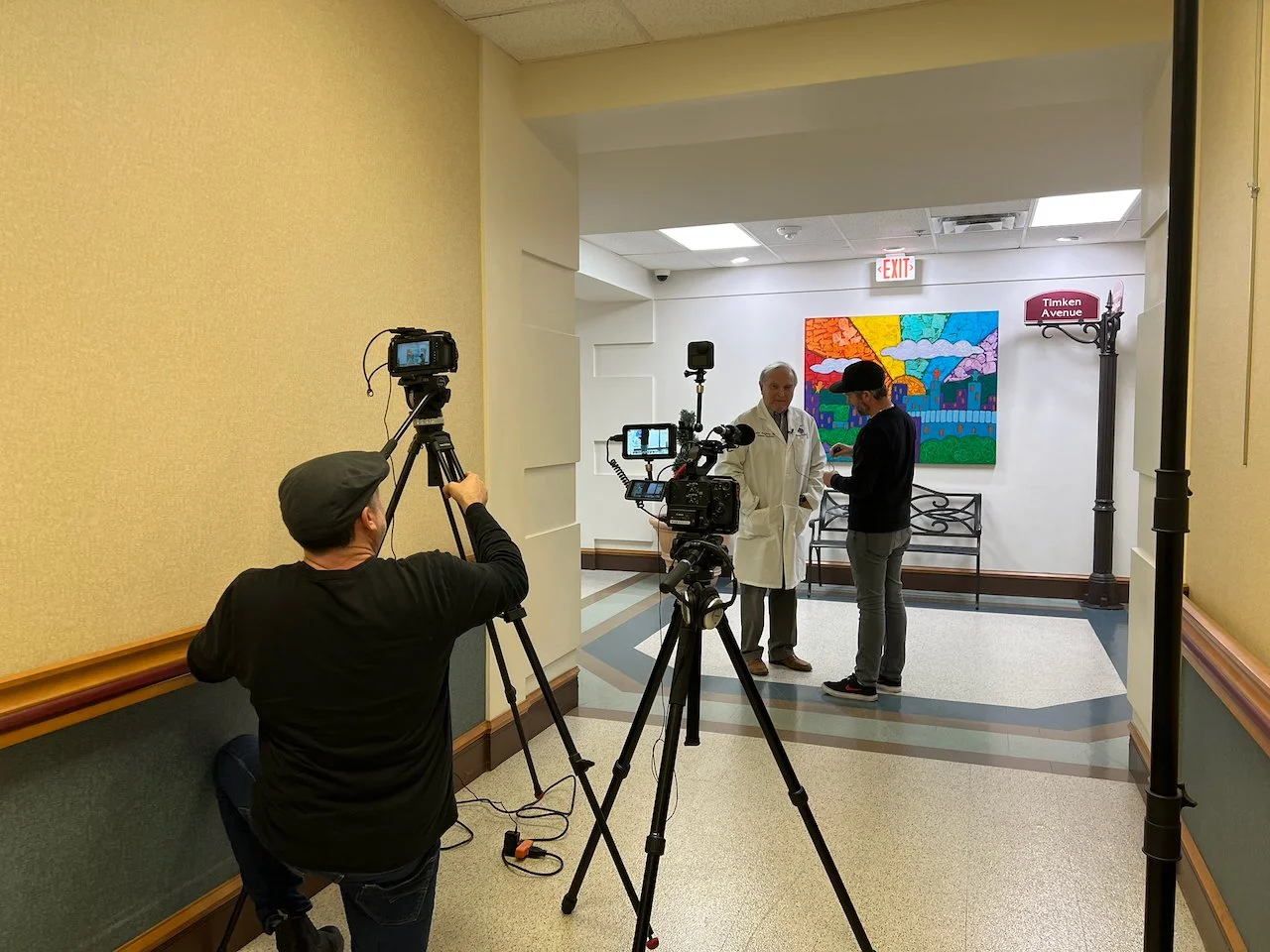
Embedded Production: Our production crew traveled to all 12 states, embedding ourselves directly within each coalition's daily operations. This allowed us to capture both the leaders driving the change and the everyday individuals benefiting from their efforts.
Laissez-Faire Filmmaking: Our team adopted a hands-off, observational approach to production. Rather than scripting the narratives, we organically captured the effective strategies being employed on the ground.
Community-Centric Storytelling: Each of the 14 episodic documentaries focused on raw, unscripted stories of individuals and communities overcoming formidable public health challenges.
The Impact and Results
The resulting docuseries served as a powerful tool for advocacy, education, and organizational growth.
Valuable Educational Resource: The docuseries successfully presented anecdotal evidence from the field, sharing practical lessons learned and the real-world impact of SDOH strategies.
Enhanced Fundraising: By showcasing raw, emotional stories of community impact, the documentaries provided the coalitions with powerful marketing assets that directly resulted in more effective fundraising efforts.
Improved Measurement: The process of documenting these initiatives assisted the coalitions in developing and refining both qualitative and quantitative impact metrics to measure their ongoing success.